Sea Ray Ceramic Coating Cost in Tampa Bay: Get a Free Quote From Conforti Detailing
Ceramic coating a Sea Ray in Tampa Bay typically runs $1,500 to $6,500+, depending on boat length, gelcoat oxidation, and how much correction the finish needs before coating. Conforti Detailing prices by linear foot and gives every Sea Ray owner a free, on-the-water or in-shop quote with no obligation.
If you own a Sea Ray in the Tampa Bay area, you’ve probably watched the Florida sun and Gulf saltwater go to work on your gelcoat faster than you’d like. The question most owners ask me first is simple: what’s the real sea ray ceramic coating cost, and why do quotes swing by thousands of dollars? I’m Jeremy with Conforti Detailing, and I’ve been coating boats across Tampa Bay long enough to know that a vague price range doesn’t help anyone. So I’m going to show you actual numbers by model, exactly what drives your price up or down, and how to estimate your own quote before you ever pick up the phone.
- Sea Ray ceramic coating in Tampa Bay generally costs $1,500 to $6,500+, priced by linear foot and adjusted for oxidation and correction.
- The biggest cost driver isn’t boat size — it’s the condition of your gelcoat and how many stages of polishing (correction) it needs before coating.
- A quality marine ceramic coating like Glidecoat MAX or IGL lasts 2 to 5 years on a Tampa Bay boat with an annual maintenance wash.
- Ceramic beats wax on durability by a wide margin — wax lasts weeks, ceramic lasts years — but it won’t stop hull scratches or replace below-waterline antifouling.
- Above-waterline gelcoat is where ceramic coating pays off most in Florida: UV protection and chalking prevention are the real wins here.
Sea Ray Ceramic Coating Cost by Boat Length and Model: Real Tampa Bay Price Ranges
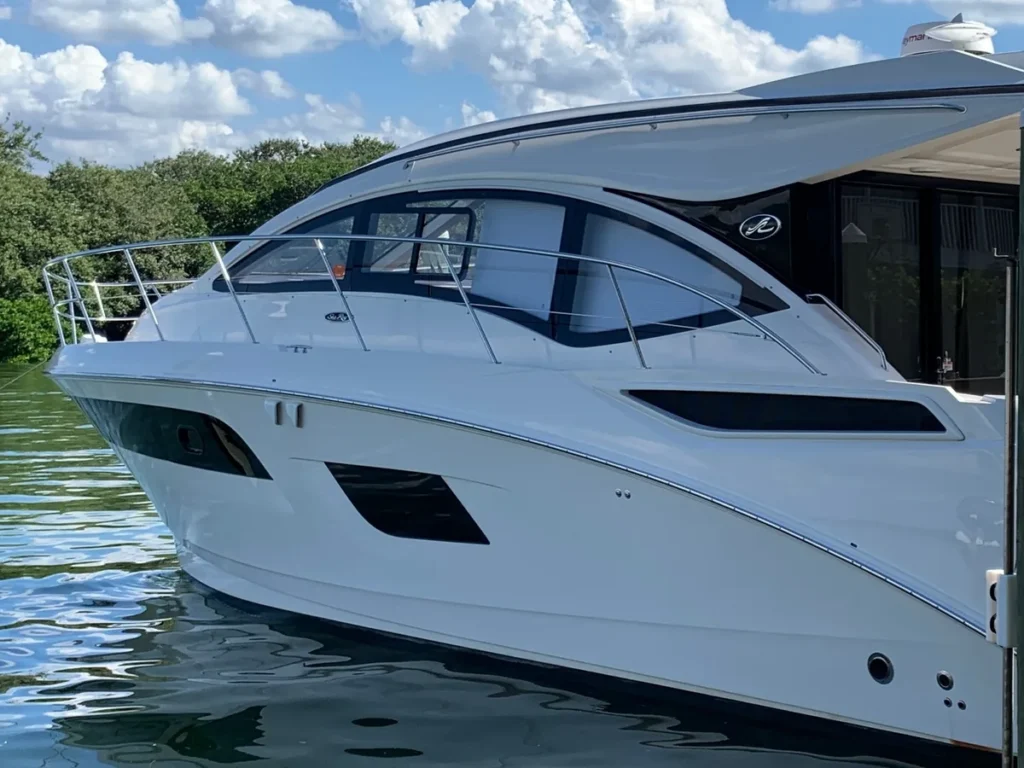
The average cost to ceramic coat a Sea Ray in Tampa Bay lands between $1,500 and $6,500, with most Sundancer and SLX owners paying somewhere in the $2,500 to $4,500 range. Price scales with linear footage first, then adjusts up based on how oxidized the gelcoat is and how much correction it needs. Below is a real breakdown by model so you’re not guessing.
I built this table from jobs we’ve actually done, not manufacturer fantasy numbers. Every boat is a little different, but these ranges will get you within striking distance of your real quote.
| Sea Ray Model | Approx. Length | Typical Ceramic Coating Cost (Tampa Bay) |
|---|---|---|
| SPX 190 / 210 | 19–21 ft | $1,500 – $2,400 |
| SDX 250 / SLX 230 | 23–25 ft | $2,200 – $3,400 |
| Sundancer 265 / SLX 280 | 26–28 ft | $2,900 – $4,200 |
| 320 Sundancer | 32 ft | $3,600 – $5,200 |
| SLX 40 / Sundancer 370 | 37–40 ft | $4,800 – $6,500+ |
| Sundancer 400+ / Yacht class | 40 ft+ | Custom quote |
Notice the spread inside each row. A well-kept SLX 280 that lives under cover and gets washed regularly might land at the bottom of its range because the gelcoat only needs a light polish. That same 280 sitting in a wet slip off the Gulf with two seasons of neglect can hit the top — because we’re removing heavy oxidation before a single drop of coating goes on. That’s the part generic pricing pages never explain, and it’s why a real ceramic coating quote in Tampa Bay beats any calculator.
What Actually Drives Your Marine Ceramic Coating Cost: Hull Size, Oxidation, Correction, and Waterline
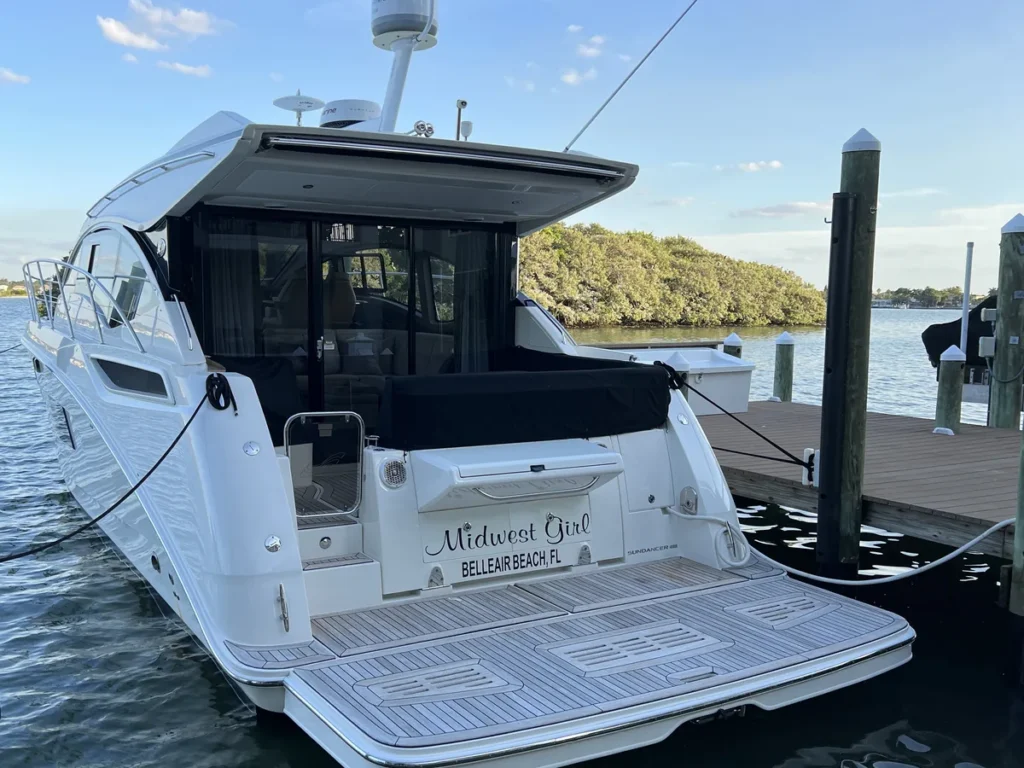
Boat ceramic coating cost in Tampa Bay comes down to five factors: linear footage, gelcoat oxidation level, how many correction stages the finish needs, whether you want a single or multi-layer coating, and how much surface area sits above versus below the waterline. Hull size sets the baseline, but correction is what moves the number most.
Here’s the honest truth after years of doing this: two Sea Rays of identical length can differ by $1,500 in price. Why? Gelcoat condition. A boat with light swirls needs one polishing stage. A boat with heavy oxidation and chalking — that dull, powdery white film Florida UV creates — needs compounding, then polishing, then refining before it’s coat-ready. That’s labor, and labor is the biggest line item in any honest quote.
The self-estimate checklist
Want to ballpark your own price before you call? Run through this. Each “yes” nudges you toward the higher end of your model’s range:
- Oxidation: Does a clean rag come away chalky white when you wipe the hull? That’s oxidation, and it means multi-stage correction.
- Storage: Does your boat sit in a wet slip or on an open lift, exposed to Gulf sun all day? More UV damage means more prep.
- Correction level: Do you see swirl marks, scratches, or hazing in direct sunlight? Deeper defects need more aggressive compounding.
- Coating layers: Do you want a single-layer coating or a multi-layer stack for longer life? More layers, more cost, more durability.
- Waterline and hull: Are you coating just above the waterline, or do you want the running surfaces addressed too?
That last point deserves a note. Ceramic coating shines above the waterline where UV and water spotting do their damage. Below the waterline, on surfaces that stay submerged in a slip, ceramic isn’t a substitute for antifouling paint — it doesn’t stop marine growth the way bottom paint does. From what we’ve seen, the smartest spend for most Tampa Bay owners is a full above-waterline coating that protects the hull sides, transom, and topsides where oxidation actually shows. If your gelcoat is already too far gone, our boat detailing and oxidation removal service restores it first, then we talk coating.
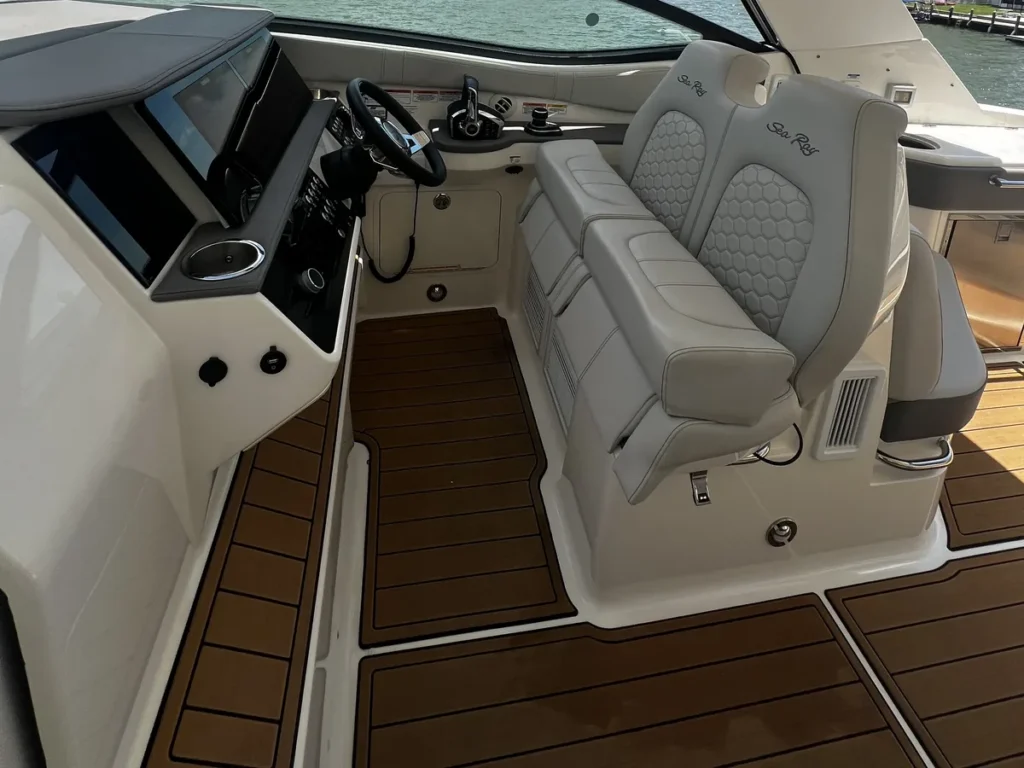
Our Step-by-Step Coating Process: Wash, Decontamination, Gelcoat Correction, Application, and Cure Verification
A marine ceramic coating is only as good as the prep underneath it. Coat over oxidation or contamination and you seal the damage in — that’s the number one mistake I see from rushed jobs. Here’s the exact process we follow on every Sea Ray, and why each step matters.
- Deep wash and degrease. We start with a marine-grade wash to strip surface salt, grime, and old wax or sealant. Tampa Bay saltwater leaves mineral residue that has to come off completely, or the coating won’t bond.
- Decontamination. A clay treatment and chemical decon pull embedded contaminants out of the gelcoat pores — waterline scum, mineral deposits, and stubborn staining a wash alone can’t reach.
- Gelcoat correction. This is where the money and the magic live. Depending on oxidation, we compound and then polish the gelcoat to remove chalking, swirls, and hazing, bringing back true depth and gloss. A neglected hull can take multiple stages here.
- Surface prep and coating application. We wipe the corrected gelcoat with a panel prep solution to remove all polishing oils, then apply the SiO2 ceramic coating by hand in controlled sections, leveling each pass before it flashes.
- Cure verification. The coating needs a controlled cure — protected from moisture and dew during the critical window. We verify the flash and cure before the boat goes back near water, so you get the full hardness and hydrophobic performance the coating is rated for.
Real example: we coated a 320 Sundancer last season that came in with heavy chalking on the port side from sitting bow-out on a lift facing the afternoon sun. That side alone needed a two-stage correction the shaded starboard side didn’t. Same boat, uneven damage — and that’s exactly the kind of detail we catch on inspection that a flat online price never accounts for. You can see how we approach the full job on our boat ceramic coating service page.
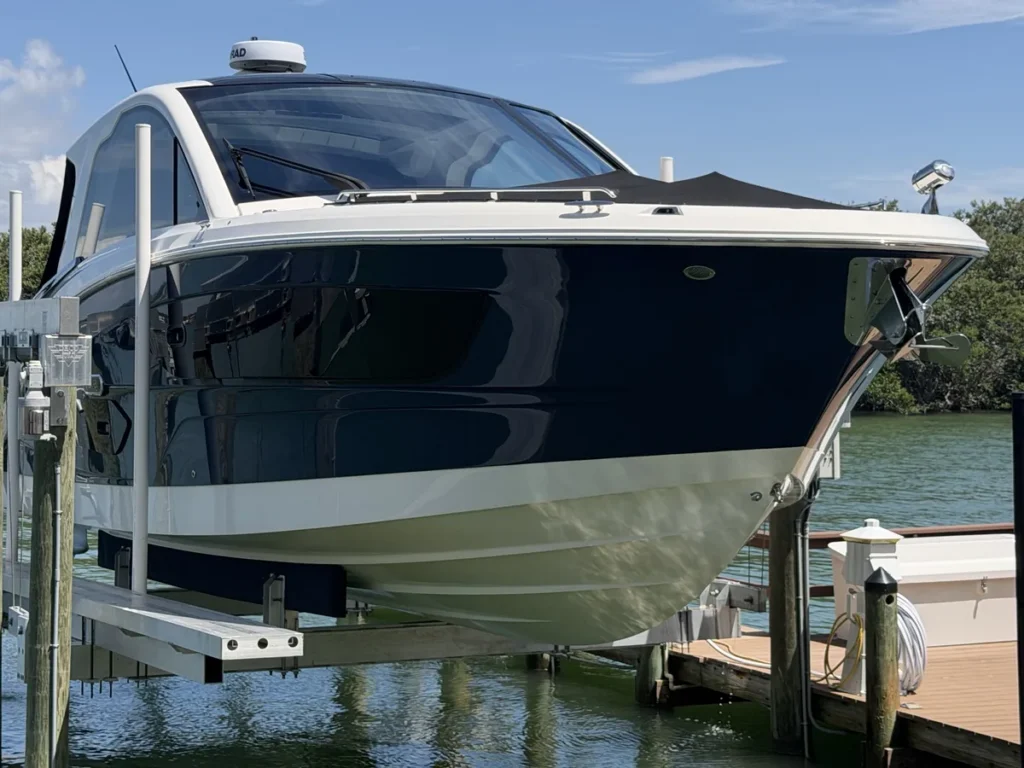
Ceramic vs. Graphene vs. Wax and Sealant for Sea Ray Gelcoat: Durability and Cost Trade-Offs
For marine gelcoat, ceramic and graphene coatings both deliver years of protection and strong hydrophobic beading, while wax and sealant deliver weeks to months for a fraction of the cost. Wax is cheapest and easiest; ceramic gives the best value over time; graphene adds heat resistance and slightly longer life at a premium. Here’s how they stack up.
| Protection Type | Typical Lifespan (Tampa Bay boat) | Relative Cost | Best For |
|---|---|---|---|
| Carnauba Wax | 4–8 weeks | $ | Budget touch-ups, boats sold soon |
| Synthetic Sealant | 3–6 months | $$ | Seasonal protection, lighter use |
| SiO2 Ceramic Coating | 2–5 years | $$$ | Most Sea Ray owners — best UV and oxidation defense |
| Graphene Ceramic Coating | 3–5+ years | $$$$ | Owners wanting max longevity and heat resistance |
The ceramic vs wax question for a boat isn’t close in Florida. Wax breaks down under intense UV in a matter of weeks, which means you’re reapplying constantly or watching your gelcoat oxidize between coats. A quality 9H-rated ceramic coating chemically bonds to the gelcoat and holds up for years. That’s the difference between fighting oxidation every month and protecting against it for seasons at a time.
Graphene is the newer option, and I’ll give you my straight take: it’s genuinely good, with slightly better durability and less water spotting on dark hulls thanks to how it dissipates heat. But for the average Sea Ray owner, a premium SiO2 coating like Glidecoat MAX or an IGL Coatings marine line delivers 90% of the benefit at a friendlier price. We run trusted lines including Glidecoat and Ceramic Pro marine products, and I’ll recommend the right one for your boat and budget rather than upselling by default. If you’re weighing coatings for a car too, our breakdown of how much ceramic coating costs covers the automotive side.
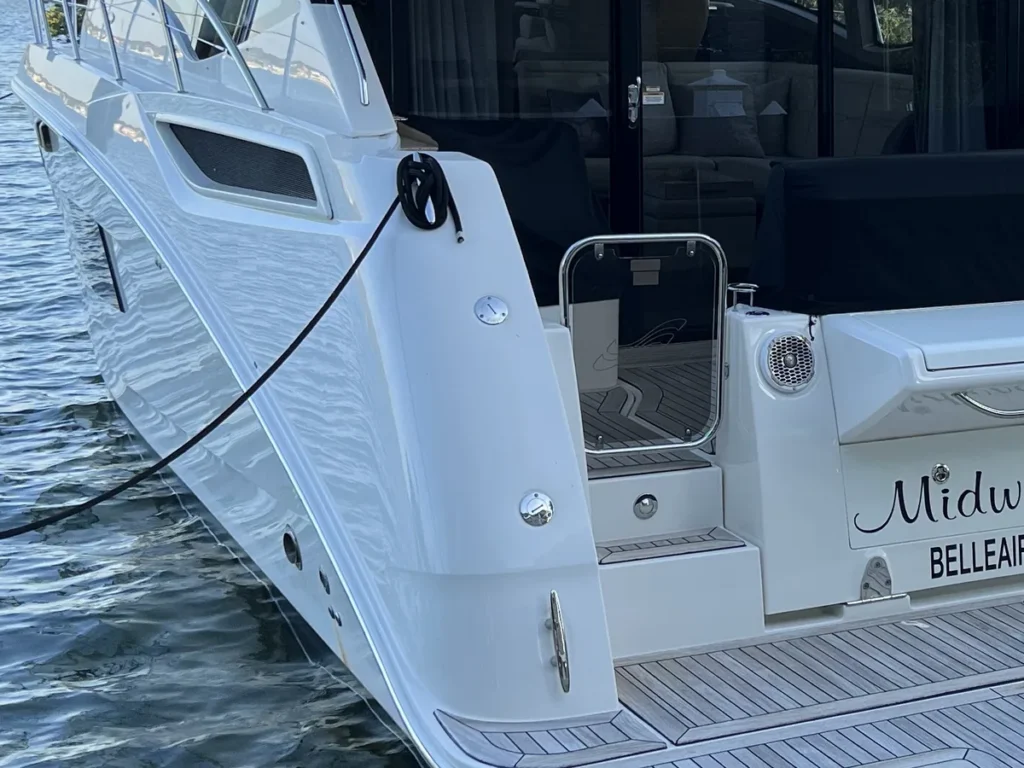
How Long Marine Ceramic Coating Lasts on a Sea Ray (and What Maintenance It Really Needs)
A professional marine ceramic coating lasts 2 to 5 years on a Sea Ray in Tampa Bay, depending on the product, number of layers, and how the boat is stored and maintained. An annual maintenance wash and periodic decontamination are what push a coating to the top of that range instead of the bottom.
Storage matters more than most owners expect. A boat under cover or on a lift with a canopy holds its coating noticeably longer than one baking in open Gulf sun and sitting in saltwater full time. The combination of intense Florida UV and salt is brutal — it’s why coatings that advertise “7 years” in a northern climate realistically deliver less down here. I’d rather tell you 2 to 5 years honestly than sell you a number your boat will never hit.
Maintenance is refreshingly simple. Rinse the salt off after use, wash with a pH-neutral marine soap, and bring the boat in once a year for a professional decontamination wash and inspection. During that annual visit we can apply a ceramic booster or topper that refreshes the hydrophobic water-beading and extends the coating’s life. Skip maintenance entirely and even the best coating degrades faster — the coating protects the gelcoat, but it still needs basic care. Owners around the north end of the bay can read how we handle this in our Tarpon Springs boat ceramic coating guide, which covers Anclote-area saltwater conditions specifically.
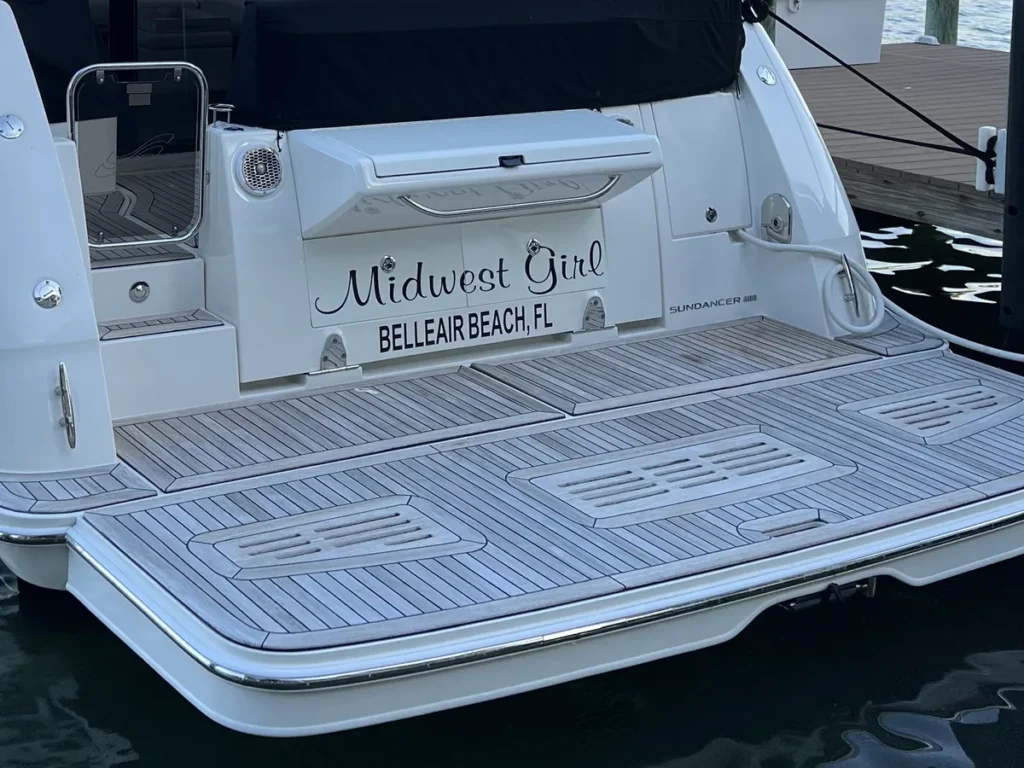
The Honest Downsides of Ceramic Coating a Boat: Is It Worth the Money?
The main downside of ceramic coating is that it protects against UV, oxidation, and water spotting — but it doesn’t make gelcoat scratch-proof, it won’t fix damage underneath it, and it requires quality prep to perform. It’s worth the money for most Sea Ray owners because it slashes cleaning time and prevents the chalking that destroys resale value. But it’s not magic, and here’s where I level with you.
Ceramic coating is a sacrificial protective layer, not armor. Drag a dock line across the hull and you can still scratch it. It reduces oxidation dramatically, but a coating applied over already-oxidized gelcoat just locks the damage in — which is exactly why correction isn’t optional. And below the waterline in a wet slip, ceramic won’t stop barnacles or algae the way antifouling paint does. Anyone promising you a coating that fixes everything and lasts forever is selling, not detailing.
So is it worth it? For a boat you plan to keep, absolutely. A 2023 IBEX marine industry discussion I followed noted that gelcoat oxidation and chalking are among the top cosmetic factors dragging down used boat values — and that’s the exact damage a ceramic coating prevents. From what we’ve seen, owners who coat their Sea Ray spend a fraction of the time scrubbing after every outing, and their gelcoat still looks deep and glossy years later. The real payoff isn’t just the shine — it’s protecting the gelcoat that would cost thousands to restore or replace if you let Florida UV win. If your boat is closer to the water in the mid-bay area, our Safety Harbor marine gelcoat protection page walks through the same trade-offs for that community.
Why Tampa Bay Sea Ray Owners Choose Conforti Detailing and How to Get Your Free Quote
You can get a boat ceramic coating near you from plenty of shops, but here’s why Sea Ray owners across Tampa Bay keep calling us: we quote transparently, we don’t skip prep to hit a price, and we coat every boat like it’s going back in Gulf water tomorrow — because it is. I’ve built this business on straight answers, and that starts with the quote itself.
A free quote from Conforti Detailing isn’t a number pulled from thin air. We inspect your Sea Ray in person — checking oxidation level, correction needs, and the surface area you actually want coated — then give you a firm, itemized price with the coating options laid out. No surprise upcharges on job day. You’ll know exactly what you’re paying for correction versus coating, and which product line fits your boat and how you use it. We cover the full bay, from Clearwater and Dunedin to Tampa and the north end, and you can start with our main marine ceramic coating in Tampa Bay page to see recent work and reviews.
Here’s my honest recommendation: if you own a Sundancer, SLX, or SPX and you plan to keep it more than a couple of seasons, get it coated before the next oxidation cycle sets in. The longer chalking sits, the more correction it takes — and correction is the expensive part. Catch it early and you protect both your gelcoat and your wallet.
Ready to see your real number? Reach out to Conforti Detailing for a free, no-pressure sea ray ceramic coating cost quote tailored to your boat’s exact length, condition, and how you use it on the water. Tell me your model and where it’s stored, and I’ll break down exactly what your quote includes — the same way I’ve laid it out here.

Frequently Asked Questions
Get a free Sea Ray ceramic coating quote.
Call (727) 228-2026 — Conforti Auto & Marine Detailing, Palm Harbor, FL.