Matte vs Gloss PPF: Picking the Right Finish in Florida
Gloss PPF is the best pick for most Florida drivers: it self-heals better, hides swirl marks, and resists yellowing under intense UV. Choose matte or satin PPF for a bolder custom look, and colored PPF for a factory-warranty finish change without a full repaint.
Picking between matte vs gloss PPF isn’t just a style call in Florida—it’s a durability decision. I’ve been installing paint protection film across the Tampa Bay area for years, and the sun here punishes finishes in ways that don’t show up in a manufacturer’s brochure. Heat soak on a black hood, salt air off the Gulf, afternoon downpours followed by baking humidity—all of it hits your film differently depending on the finish you choose. So before you drop four figures on a wrap-like transformation, let me break down how each option actually holds up, what it costs, and how to match the finish to how you drive.
Key Takeaways
- Gloss paint protection film self-heals faster and resists visible micro-scratching better than matte film, making it the most forgiving finish for daily Florida driving.
- Matte and satin PPF change a glossy factory finish into a flat, understated look—but you can never wax it, and dirt shows differently in direct sun.
- Colored PPF costs more than clear film but gives you a color change with 10-year manufacturer protection, unlike a standard vinyl wrap.
- Yes, you can PPF a factory matte car—and you can put gloss PPF over matte paint to convert it, though matte-over-gloss is the more common request.
- Quality TPU films from XPEL, SunTek, STEK, and 3M carry UV inhibitors rated against yellowing, which matters more in Florida than almost anywhere else in the country.


Matte, Gloss, and Colored PPF Explained: What Each Finish Actually Does to Your Paint
All three finishes start with the same core: a thermoplastic polyurethane (TPU) film that absorbs rock chips, bug etching, and road rash so your clear coat doesn’t have to. The difference lives in the topcoat. Gloss PPF like XPEL Ultimate Plus, SunTek Ultra, or STEK DYNOshield adds a wet-look shine and a self-healing layer that erases light swirl marks with heat. Matte film like XPEL Stealth, SunTek Matte PPF, or STEK DYNOmatte flattens reflection into a smooth, satin-to-flat finish that reads as premium and understated.
Gloss film is the workhorse. It enhances whatever paint sits under it, deepening color and sharpening reflections while the self-healing topcoat handles daily abuse. Park a freshly filmed car in the sun for ten minutes and the fine marring from a bad car wash literally disappears—that’s the topcoat reflowing.
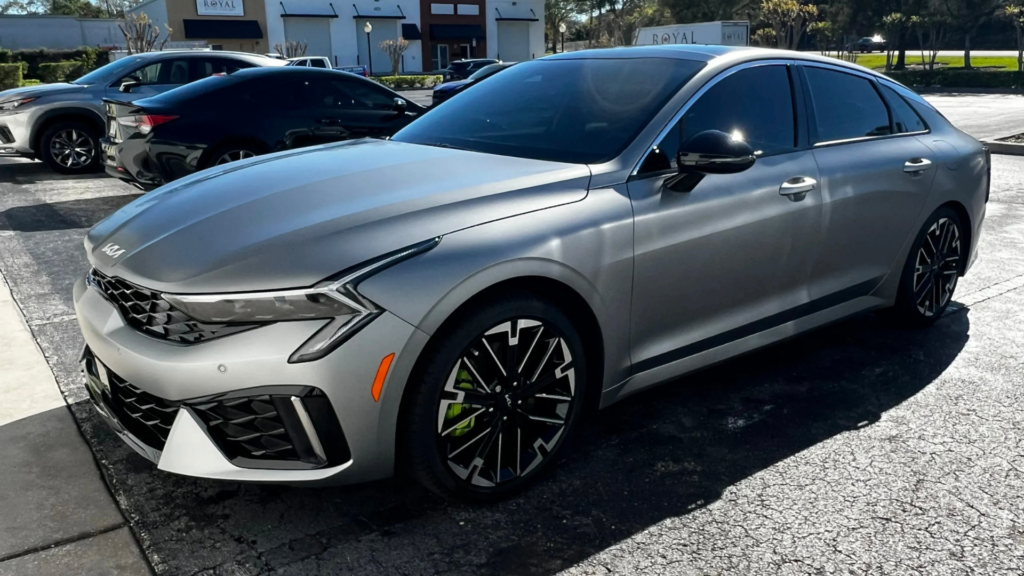
Matte and satin PPF do the opposite of enhance—they transform. A glossy silver sedan becomes a moody, flat gunmetal without a drop of paint. Colored PPF takes it further: films like STEK’s tinted lines or specialty colored TPU give you an actual color shift (think military green, frozen bronze) while keeping the protective and self-healing properties intact.
Colored PPF differs from a vinyl wrap in one decisive way: it’s protective film first, color second, and it carries the same 10-year manufacturer warranty as clear PPF. A car wrap vs PPF comparison usually comes down to this—wraps are 2–4 mil vinyl built for looks and last 5–7 years; colored PPF is thicker, self-healing, and shields against chips a wrap simply can’t stop. If you want the deeper technical rundown, our overview of the different types of paint protection film lays out the full lineup.
Matte vs Gloss PPF Head-to-Head: Aesthetics, Durability, and Which Looks More Professional
Neither finish is objectively “better”—they solve different problems. Gloss PPF wins on durability and low-maintenance forgiveness; matte PPF wins on standing out and hiding dust between washes. What looks more professional depends entirely on the car and the crowd it runs with. On a Porsche or a blacked-out truck, matte reads as deliberate and high-end. On a luxury sedan meant for resale, gloss keeps that showroom shine buyers expect.
Does matte PPF look good? On the right vehicle, it looks incredible—but it’s a commitment. Matte hides light dust and water spotting far better than gloss, which is a real advantage in dusty inland areas around Starkey Ranch and Trinity. The trade-off is that matte doesn’t self-heal as dramatically. The flat topcoat still recovers minor marring, but you won’t get that satisfying full-reset gloss gives you.
| Factor | Gloss PPF | Matte / Satin PPF |
|---|---|---|
| Look | Wet, deep, showroom shine | Flat, understated, custom |
| Self-healing | Excellent—full swirl reset with heat | Good—recovers light marring |
| Hides dust/water spots | Shows them readily | Hides them well |
| Resale appeal | Broad—buyers expect gloss | Niche—polarizes buyers |
| Maintenance | Standard wash, can top with ceramic | Matte-safe products only, no wax |
| Best for | Daily drivers, resale-minded owners | Enthusiasts, statement builds |
Here’s the honest installer take: if you can’t decide, gloss is the answer nine times out of ten. It protects just as well, it’s easier to live with, and it never dates a car the way an aggressive matte finish can. For a deep look at the healing chemistry behind that topcoat, we broke it down in our piece on the science behind self-healing paint protection film.
The Real Cost: Matte vs Gloss vs Colored Paint Protection Film Pricing
Expect to pay a premium for anything beyond clear gloss film. Matte PPF runs above standard gloss because the material costs more and installers charge for the extra care matte edges demand. Colored PPF sits highest—material is pricier and full-vehicle color changes require expert panel alignment. Here’s how the numbers shake out in the Tampa Bay market based on what we quote in practice.
| Coverage | Gloss PPF | Matte / Satin PPF | Colored PPF |
|---|---|---|---|
| Partial front (bumper, partial hood, mirrors) | $900–$1,600 | $1,100–$1,800 | $1,300–$2,200 |
| Full front (full hood, fenders, bumper, mirrors) | $1,800–$3,000 | $2,100–$3,400 | $2,600–$4,200 |
| Full vehicle | $5,500–$8,000 | $6,500–$9,500 | $7,500–$12,000+ |
How much does colored paint protection film cost in real terms? For a full-vehicle color change on a mid-size car, budget $7,500 to $12,000 depending on the film line and how complex the body panels are. That sounds steep next to a $3,000–$4,000 vinyl wrap, but you’re buying chip protection and a decade-long warranty the wrap doesn’t include.
Film brand matters as much as coverage—XPEL, SunTek, STEK, and 3M Scotchgard Pro price differently, and cutting corners on film to save $400 usually costs you in yellowing three summers later. I always tell clients to compare the whole package, not just the sticker. Our full breakdown of paint protection film costs by package walks through what changes the price on your specific vehicle.
The Best PPF Finish for Florida Sun, UV, Heat, and Humidity
The best PPF finish for Florida sun is a premium gloss film with strong UV inhibitors, because gloss topcoats resist yellowing better than cheaper films and self-heal the swirls our sandy, salty environment inflicts daily. Matte and colored films perform well too when they’re from top-tier brands—the failure point is never the finish type, it’s low-quality TPU that ambers under relentless UV.
Florida is genuinely one of the harshest testing grounds for any paint film. The state sees some of the highest UV index readings in the continental U.S., and that ultraviolet exposure is exactly what degrades cheap film. Quality TPU films are engineered against standards like SAE J2527 for accelerated weathering, and reputable manufacturers back them with 10-year yellowing warranties. That warranty is only as good as the film brand honoring it, which is why I won’t install bargain-bin material on a car that’s going to sit in Gulf Coast sun for a decade.
Heat soak is the other Florida factor competitors gloss over. A dark hood in a Tampa parking lot can hit surface temps well over 140°F, and that heat is what triggers the self-healing topcoat to reflow—a genuine advantage here. But heat also stresses adhesive edges, so proper PPF installation in the Tampa Bay area matters more than in a mild climate. Then there’s coastal salt air near Tarpon Springs and Safety Harbor, which finds any lifted edge and works underneath it. A clean, wrapped-edge install is what keeps salt out.
Humidity plays into the hydrophobic topcoat too. Gloss films with a hydrophobic layer sheet water off fast, which cuts down on the mineral spotting our afternoon storms leave behind. On matte, that water-spotting is naturally camouflaged by the flat finish—one of the underrated reasons matte works surprisingly well down here. If you’re still weighing film against a coating, our comparison of ceramic coating vs paint protection film in Tampa Bay covers which one your car actually needs.
Can You PPF a Matte-Finish Car? Applying Gloss or Matte Film Over Factory Matte Paint
Yes, you can PPF a matte-finish car, and you absolutely should—factory matte paint is fragile, expensive to repair, and impossible to buff a scratch out of. You’d apply a matte PPF over it to preserve the flat look while adding chip protection. Putting gloss film over factory matte would convert it to a shine, which some owners actually want when they tire of the matte upkeep.
Factory matte paint is one of the most nerve-wracking finishes to own. One bad automatic car wash leaves permanent shiny streaks you can’t polish out, and body shops charge a fortune to blend matte repairs. A matte PPF layer takes the hit instead, and if the film ever gets damaged, we replace the panel—not your $4,000 factory finish. From what we’ve seen, matte-finish owners are some of the most relieved clients we work with once the film goes on.
Can you put gloss PPF over matte paint, or matte PPF over gloss? Both work. Matte-over-gloss is the common request—someone with a glossy black car who wants the stealth look without repainting. Gloss-over-matte is rarer but valid when an owner wants to “undo” a matte finish they’ve grown tired of maintaining. We dig deeper into the stealth options in our guide to matte paint protection film and stealth finishes.
Living With Your Finish: Washing, Wax Rules, and Maintenance Differences
Is matte PPF hard to maintain? Not hard—just different. The single rule that trips people up: never wax matte film. Wax and most spray sealants fill the micro-texture that creates the flat look, leaving greasy shiny patches you then have to scrub out. Matte needs matte-safe products, period. Beyond that, upkeep is straightforward—regular two-bucket washes, a matte-specific detail spray, and you’re done.
Gloss PPF is the easier daily finish. You wash it like normal paint, and you can layer a ceramic coating over gloss film to boost the hydrophobic effect and stretch your wash intervals—a combo I recommend for busy Florida drivers who don’t want to fuss. That ceramic-over-PPF pairing is genuinely the lowest-maintenance setup we install.
Let me kill a myth while I’m here: people assume matte film needs constant babying and self-healing doesn’t work on it. In practice, matte topcoats self-heal light marring just fine with sun heat—they just won’t erase deeper scratches the way gloss does. The real maintenance gap isn’t difficulty, it’s product discipline. Use the wrong spray wax on matte once and you’ll spend an afternoon fixing it.
For both finishes, the Florida-specific habit that matters most is rinsing salt and pollen off promptly. Coastal cars near the water should get a quick rinse weekly in summer. Skip that and salt sits on the edges, working its way under film over months. A little consistency here doubles the visual life of any finish.
How to Choose the Right PPF Finish for Your Vehicle and Lifestyle (Get Your Free Quote)
The right finish comes down to three honest questions: What color is your car, how do you drive it, and how much maintenance are you actually willing to do? Answer those truthfully and the choice makes itself. Here’s the decision framework I walk every client through in person.
- Match the finish to your paint and goal. Keeping the factory color and shine? Gloss PPF protects invisibly. Want a bold, different look without a repaint? Matte or colored film is your move.
- Be honest about how you drive. Daily commuters, gravel roads, school runs, resale in a few years—gloss and its self-healing forgiveness is the smart pick. Weekend car or statement build that lives in a garage? Matte or colored film rewards you.
- Rate your maintenance willingness. If you’ll happily buy matte-safe products and rinse the car weekly, matte is fantastic. If you want to wash it and forget it—especially with a ceramic coating on top—go gloss.
Which PPF is best, matte or glossy? For the majority of Florida drivers, gloss—it protects identically, forgives more, and holds resale value. Matte and colored film are the right answer when the look matters more than convenience, and you know what you’re signing up for. There’s no wrong choice here, only the one that fits your car and your habits. If you want the full picture on what film does and why it’s worth it, our complete paint protection film overview covers the fundamentals, and our take on why your vehicle needs PPF in Florida makes the local case.
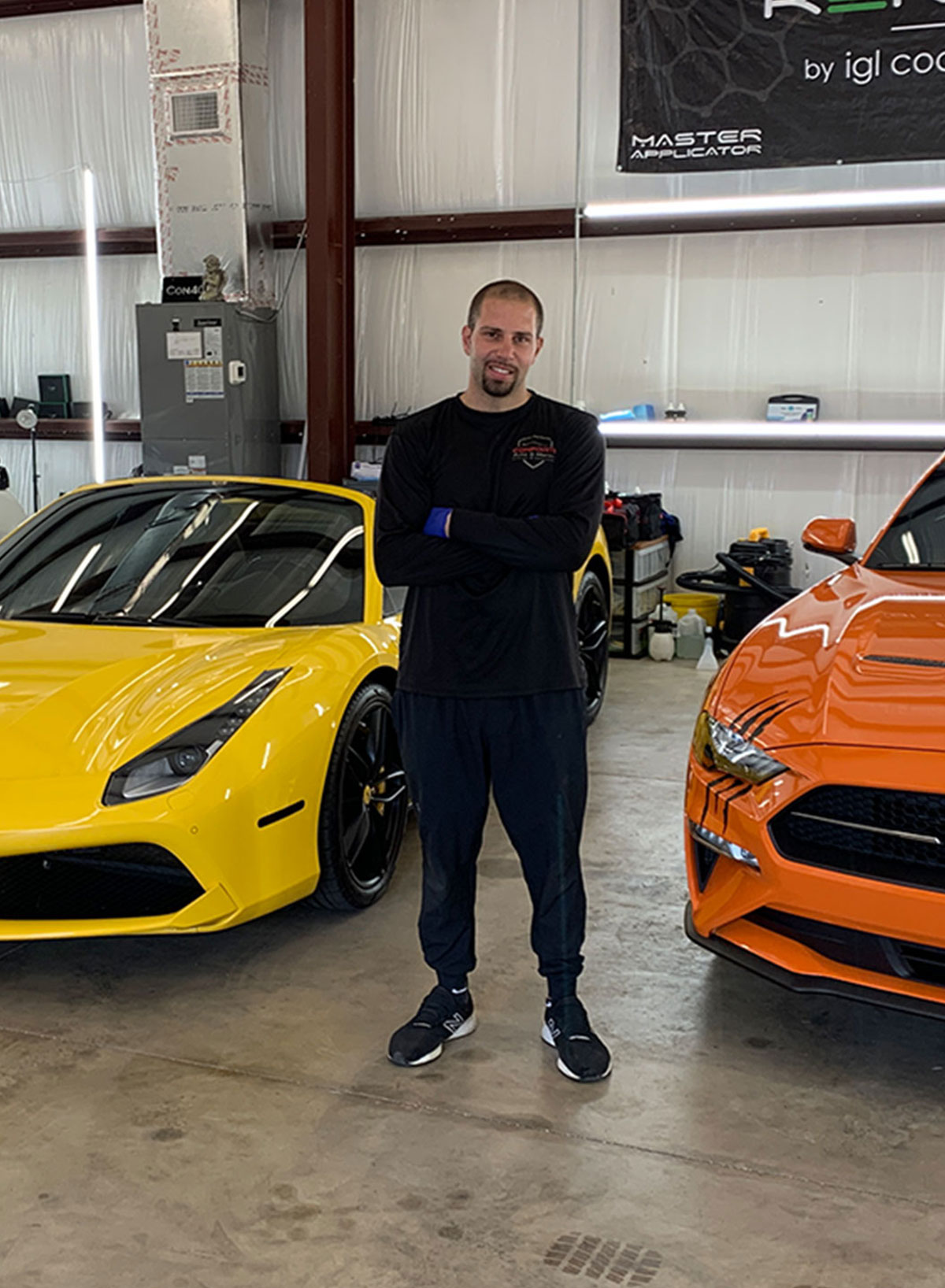
The best way to decide is to see the films in person on a real vehicle, under real sun—swatches never tell the whole story. Bring your car by and I’ll show you gloss, matte, and colored samples side by side, walk you through what each will do to your specific paint, and give you an honest recommendation with no pressure. When you’re ready, grab a free PPF quote and see exactly what Jeremy needs to get your vehicle protected right the first time.
- Boat
- Ceramic Coating
Proudly Serving the Tampa Bay Area

Frequently Asked Questions
For most Florida drivers, gloss PPF is the safer choice because it self-heals faster, hides swirl marks, and resists yellowing under intense UV exposure. Matte PPF is best when you want a bolder, custom look and are willing to accept stricter maintenance. Your daily driving habits and whether you care about resale value should drive the decision more than looks alone.
Matte PPF looks fantastic when it's clean, giving your vehicle a modern, understated, and premium appearance that stands out from the sea of glossy cars. The catch in Florida is that dirt, water spots, and fingerprints show differently in direct sun, so you'll notice grime faster than you would on gloss. If you love the flat aesthetic and don't mind more frequent washing, it's absolutely worth it.
Gloss PPF reads as more traditional and polished, which is why it's the go-to for luxury sedans, resale-focused daily drivers, and anyone wanting a factory-fresh shine. Matte and satin finishes look more custom and bold, which can read as either sporty or high-end depending on the vehicle. Neither is universally more professional—it comes down to your car and the impression you want to make.
Matte PPF demands stricter wash habits because you can never wax or polish it, and any product residue or improper cleaner can leave permanent shiny spots. In Florida's heat, salt air, and humidity, you'll need matte-specific cleaners and more frequent hand washes to keep it looking uniform. It's not difficult once you learn the routine, but it's less forgiving than gloss film.
Colored PPF typically runs 15–30% more than standard clear paint protection film, depending on the color, brand, and coverage area. The upside is you get a full color change backed by a manufacturer warranty of up to 10 years—something a standard vinyl wrap can't match. For many clients it's worth the premium to combine protection and a custom look in one product.
Yes to both—you can convert a factory matte car to gloss with clear PPF, or flip a glossy factory finish to flat using matte or satin film. Matte-over-gloss is the far more common request since most factory paint comes glossy. Either conversion protects your original paint while changing the look, and a quality TPU film keeps the finish consistent under Florida sun.
Quality TPU films from XPEL, SunTek, STEK, and 3M all carry UV inhibitors specifically rated against yellowing, which matters more here than almost anywhere in the country. Gloss film generally shows any degradation less obviously than matte, but the bigger factor is buying a premium film rather than a cheap import. Cheap PPF is where yellowing and hazing problems start in our climate.
Choose gloss PPF if you have a daily driver, care about resale value, or want the most forgiving, self-healing finish for Florida conditions. Go matte or satin if you want personality and are committed to careful maintenance, and consider colored PPF when you want a warranty-backed color change without a full repaint. When in doubt, reach out for a free quote and we'll match the finish to how you actually drive.