Full Front vs. Full Body PPF for Your Tesla: Which Is Right for You?
If you’ve just picked up a new Tesla — or you’re trying to keep the one you have looking factory-fresh — you’ve probably run into the same question everyone asks: should you go with full front or full body coverage? The full front vs full body PPF Tesla debate is one I have with clients almost every week, and the honest answer is that it depends on how you drive, where you park, and how long you plan to keep the car. I’m Jeremy, and I’ve spent years installing paint protection film on everything from daily-driven Model 3s to garage-kept Plaids. My goal here isn’t to push you toward the most expensive option — it’s to break down the real differences so you can make a smart call without the upsell pressure.
Tesla paint is notoriously thin and soft compared to a lot of other manufacturers, which makes it more vulnerable to rock chips, swirls, and road rash. That’s exactly why understanding your Tesla PPF coverage options matters before you spend a dime. Let’s walk through it together.
Why Tesla Paint Is Worth Protecting in the First Place
Tesla’s factory paint is thinner than what you’ll find on most German or Japanese vehicles. The clear coat is softer too, which means it scratches, swirls, and chips more easily than owners expect. Add in Florida’s sandy roads, highway debris, and love bug season, and you’ve got a recipe for a hood full of rock chips within the first year. I see it constantly — beautiful new Teslas brought in with stone chips on the nose, hood, and mirrors that could have been prevented entirely.
Here’s the part that catches people off guard: Tesla repaint costs are steep, and color-matching a panel can be tricky depending on whether you’ve got a specialty paint like Deep Blue Metallic or the multi-coat Red. A single repainted hood and bumper can run well over $2,000 — often more than a full front PPF package would have cost in the first place.
It’s Not Just About Looks — It’s About Resale Value
Teslas hold their value reasonably well, but condition matters enormously at trade-in or private sale time. A car with a chipped, swirled front end signals neglect to a buyer, even if the rest of the vehicle is flawless. Tesla paint protection film keeps the surface underneath in original condition, which means when you peel it off or sell with it on, the paint looks the day-one fresh. Tesla resale value protection is one of the most underrated reasons to invest in PPF early rather than waiting until damage is already done.
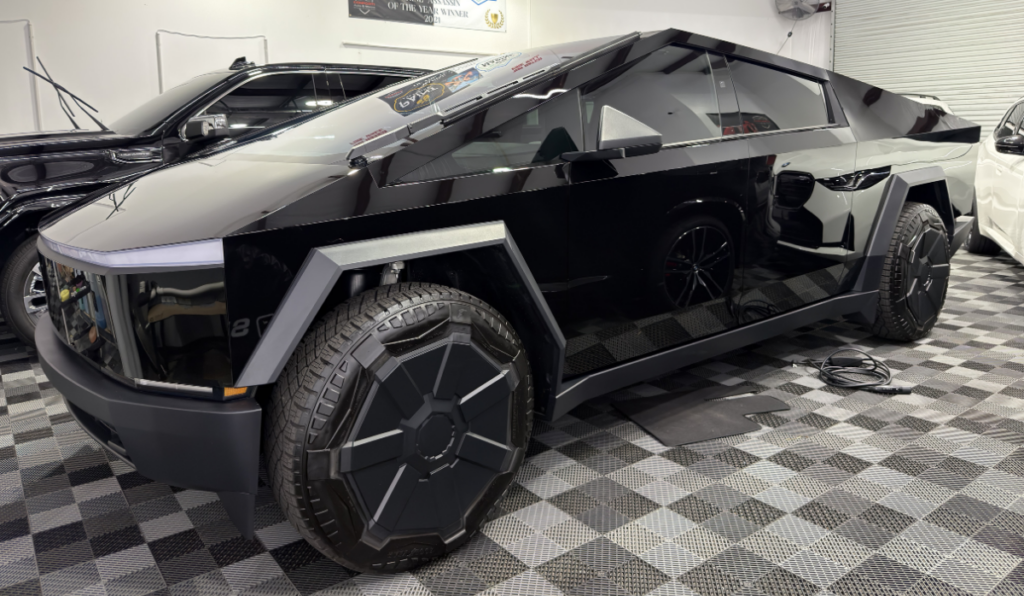
Full Front vs Full Body PPF Tesla: What Each Option Actually Covers
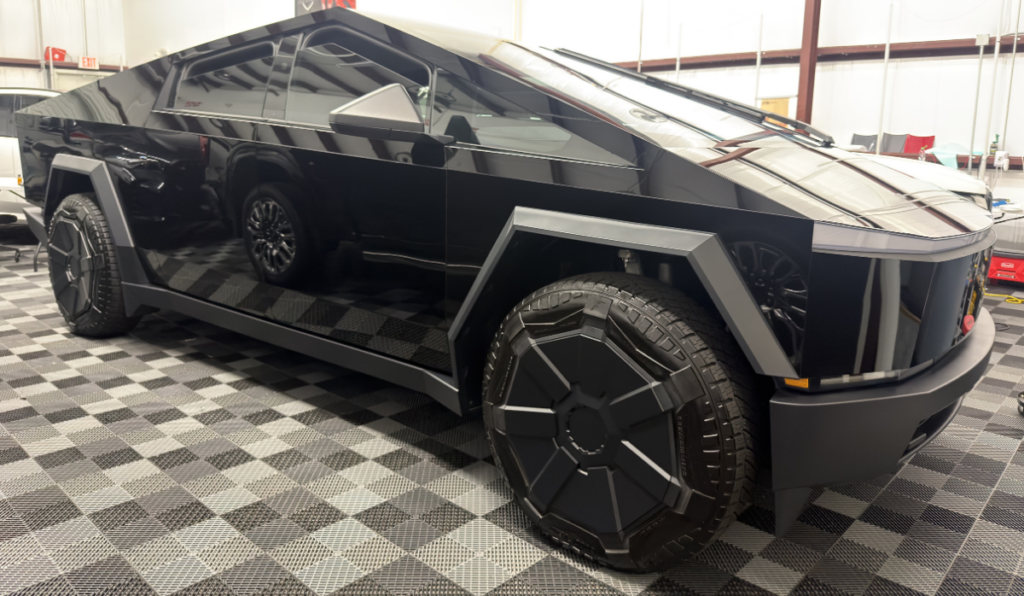
Let’s clear up the terminology, because “full front” and “full body” get thrown around loosely and mean slightly different things from shop to shop. When I quote these packages, I’m specific about every panel so there are no surprises. The core idea is simple: full front protects the high-impact areas that take the most abuse, while full body wraps the entire vehicle in self-healing paint protection film.
What Full Front PPF Covers
Full front PPF — sometimes called the partial package or clear bra protection — covers the leading edges of your Tesla that catch the most road debris. On a typical Tesla Model 3 PPF or Model Y install, that means the full hood, full front fenders, front bumper, side mirrors, and usually the A-pillars and headlights. Some clients add the leading edge of the roof on the Model Y since it slopes forward and catches debris. This is the coverage that stops 90% of the rock chips most drivers will ever experience, because the front of the car is where physics does its damage.
Full front PPF Tesla packages are the sweet spot for a lot of owners. You’re protecting the panels that are statistically hit, and you’re doing it at a fraction of the cost of wrapping the whole car. If your main concern is rock chip protection from highway driving, this option is likely all you need.
What Full Body PPF Covers
Full body PPF Tesla coverage wraps every painted exterior surface — hood, fenders, doors, rear quarters, bumpers, mirrors, rocker panels, and trunk. Nothing painted is left exposed. This is the maximum-protection route, and it’s the choice for owners who want their paint completely shielded from chips, scratches, parking lot dings, door edge wear, and the kind of damage that happens when life happens. Full body is also the move for collectors, garage-kept enthusiasts, and anyone with a rare paint color they never want to touch up.
The trade-off, naturally, is cost. Full body uses several times the material and takes significantly more labor to wrap cleanly around every curve and edge. But what you get is total peace of mind—the entire car is protected by self-healing paint protection film that absorbs the impacts the paint never has to.
The Self-Healing Factor
Modern PPF isn’t the cloudy, yellowing film of fifteen years ago. Quality film like what we install is self-healing, meaning light swirl marks and minor scratches disappear with heat—sun exposure or warm water is often enough to make them vanish. Today’s premium PPF carries a 10-year warranty against yellowing, cracking, and delamination. That’s a different category of product than the budget films floating around, and it’s why I’m picky about what goes on a client’s car.
How to Choose the Best PPF for Your Tesla
The best PPF for your Tesla isn’t a single answer — it’s the package that matches your driving reality and your budget. I always start by asking a few honest questions before recommending anything, because the right call for a highway commuter is different from the right call for a weekend-only Plaid that lives in a garage.
Questions I Ask Before Recommending Coverage
When you come in for a free quote, here’s the kind of thing we’ll talk through to land on the right level of coverage:
- How many highway miles do you drive? Heavy highway driving means more rock chip exposure, which pushes toward at least full front and sometimes full body.
- Where do you park? Street parking and busy lots increase the risk of door dings and scratches that full body protects against.
- How long are you keeping the car? Longer ownership justifies a bigger upfront investment because the protection pays off over years.
- What’s your paint color? Specialty and multi-coat colors are expensive to repair, which often tips the scale toward more coverage.
Your answers usually make the decision obvious. A client who commutes 80 miles a day on I-275 and keeps their cars for a decade is a different conversation than someone who drives 5,000 miles a year and garages the car every night.
Where Ceramic Coating Fits In
People ask me about ceramic coating vs PPF all the time, like it’s an either-or decision. It isn’t. PPF is a physical barrier that absorbs impacts and chips — ceramic coating is a chemical layer that adds gloss, hydrophobic water beading, and easier cleaning. They do different jobs, and the ideal setup is often both: PPF on the high-impact areas, ceramic over the top for shine and protection across the whole car. If you want to explore how the two work together, our team handles auto ceramic coating in Tampa alongside our film work, so you can layer your protection the smart way.
Comparing Tesla PPF Coverage Options by Driving Habits and Lifestyle
The partial vs full PPF decision really comes down to how and where your Tesla lives day to day. Let me walk you through the most common owner profiles I see, because chances are you’ll recognize yourself in one of them.
The Daily Commuter
If you’re racking up highway miles on the Veterans Expressway or commuting between Tampa and the beaches every day, your front end is taking a beating from road debris. For you, full front PPF is the baseline I’d recommend, and it covers the high-impact areas coverage that stops the chips before they reach paint. Many commuters are perfectly happy stopping there and adding a ceramic coating over the rest of the car. If your budget allows and you want zero worry, full body is the upgrade — but full front handles the vast majority of what you’ll actually encounter.
The Garage-Kept Enthusiast
Got a Model S Plaid or a Performance Model 3 that only comes out on weekends and lives in a climate-controlled garage? Your exposure to road debris is lower, but your standards are higher. This is where full body PPF Tesla coverage makes the most sense, because you’re preserving a vehicle you care deeply about and likely plan to keep pristine. Combine it with a ceramic topcoat and your car stays show-ready with minimal effort.
The Family Hauler
Tesla Model Y paint protection is one of my most common requests, and for good reason — these are family vehicles that live in parking lots, school pickup lines, and grocery store rows. Door dings, shopping cart scrapes, and kids’ backpacks dragging across the rear bumper are the real threats here, not just highway chips. For families, I often suggest full front plus rocker panels and rear bumper protection, or full body if door ding paranoia keeps you up at night. The rear bumper especially earns its keep on a Model Y because of how often things get loaded and unloaded.
The Resale-Minded Owner
If you’re the type who trades vehicles every few years and wants maximum return, the math favors protecting more surface area. Buyers pay more for cars in flawless condition, and Tesla resale value protection through PPF often returns more than it costs at sale time. Full front at minimum, full body if you want the car to look untouched when you hand over the keys.
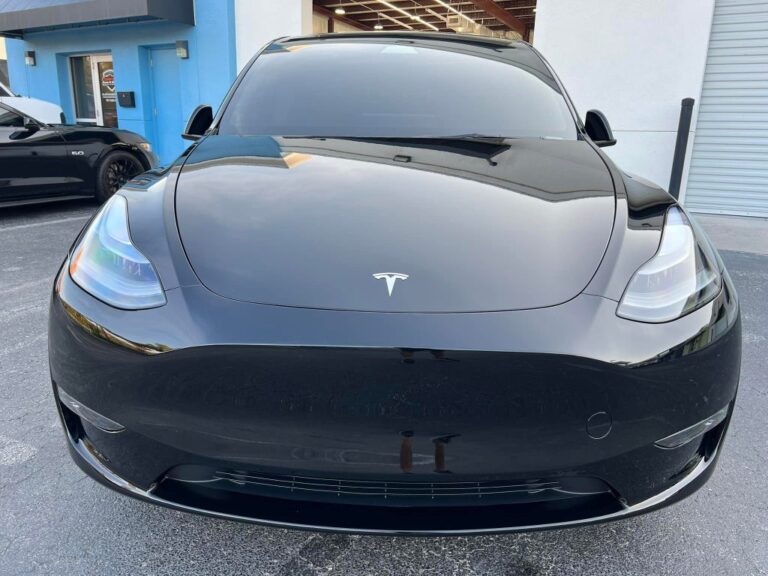
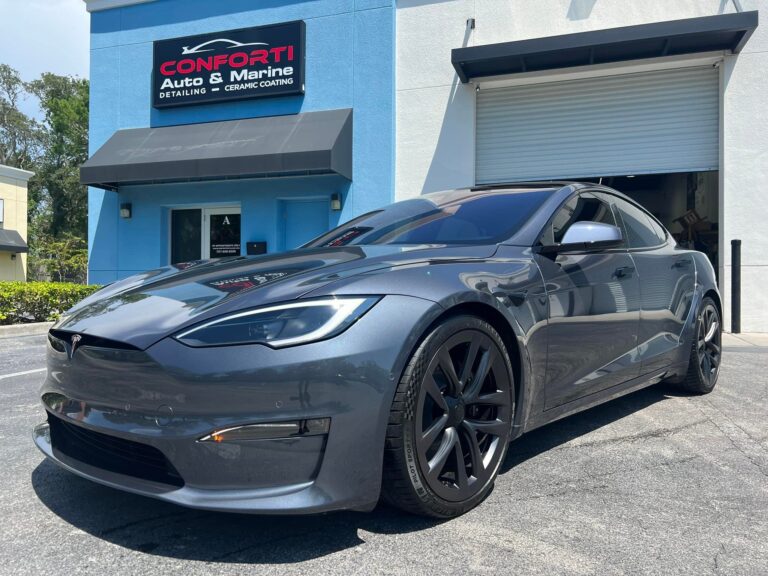
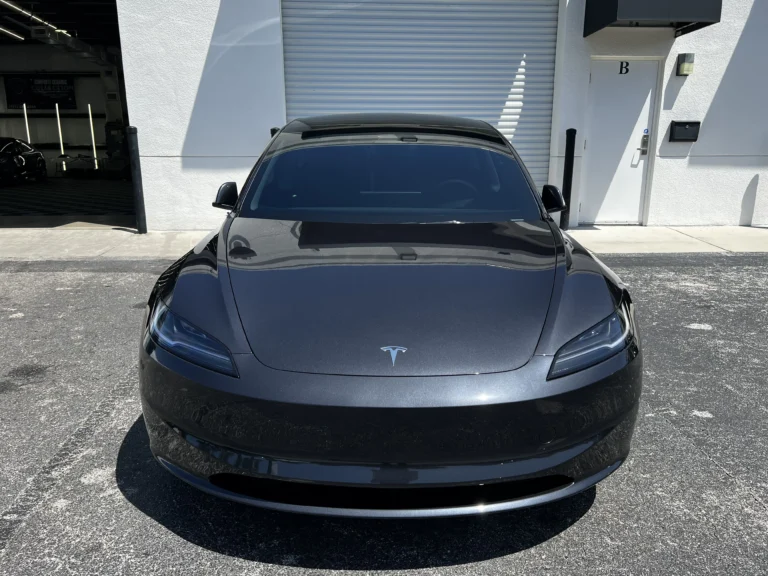
Breaking Down Tesla PPF Cost: What You Get at Each Coverage Level
Let’s talk money, because that’s usually what the whole decision hinges on. Tesla PPF cost varies based on the model, the complexity of the panels, the film brand, and how much surface area you’re covering. I’ll give you honest ranges here, but keep in mind every car gets a custom quote — a Model 3 and a Model X are very different jobs.
General Pricing Ranges
Here’s roughly what you can expect for PPF installation cost at each coverage level on a typical Tesla:
- Partial front (bumper, partial hood, mirrors): Entry-level protection for the most common chip zones, the most budget-friendly starting point.
- Full front (full hood, fenders, bumper, mirrors, A-pillars, headlights): The most popular package and the best value for daily drivers.
- Full body (every painted exterior panel): Maximum protection, the highest investment, and the choice for total peace of mind.
Full front PPF Tesla packages typically land in the mid-hundreds to low-thousands depending on model and film tier, while full body PPF Tesla coverage runs several times that because of the material and labor involved. Full body PPF often costs less than a single panel repaint plus the diminished resale value of a chipped car over years of ownership. When you frame it as protection against repair bills rather than a luxury add-on, the value gets a lot clearer.
What Affects Your Final Quote
A few things move the price up or down, and I’d rather you understand them than be surprised. Film brand and warranty level matter — premium self-healing paint protection film with a 10-year warranty costs more than budget options but lasts dramatically longer. The model matters too, since larger vehicles like the Model X and S have more square footage. And the condition of your paint matters: if the car needs paint correction before film goes on, that’s an added step to ensure you’re not sealing imperfections under the film. We offer paint protection film across the bay area, including dedicated paint protection film in Palm Harbor, FL and PPF service in Clearwater for clients across the region.
Get a Free Personalized PPF Quote from Conforti Detailing
Here’s the thing about every range I just gave you — your car is specific, and so is your situation. That’s why I do free quotes in person, where I can look at your actual Tesla, talk through your driving habits, and recommend coverage that fits both your needs and your budget. No pressure, no upsell games, just straight talk from someone who’s been doing this a long time.
When you reach out for a quote, I’ll walk you through exactly which panels each package covers, show you film samples, and explain the warranty so you know precisely what you’re getting. If full front makes the most sense for how you drive, that’s what I’ll recommend — I’m not going to push full body on someone who doesn’t need it. And if you want to bundle PPF with ceramic coating or window tint, we can build a package that covers everything in one visit.
We serve Tesla owners throughout the Tampa Bay area, and you can always check out our Palm Harbor location to see the full range of services we offer. Beyond cars, we also handle specialty work like professional motorcycle detailing and RV ceramic coating across Tampa, so if you’ve got more than one toy in the garage, we’ve got you covered.
Why Conforti Detailing
Choosing who installs your PPF matters just as much as choosing the coverage level. Paint protection film is only as good as the hands that apply it — a poorly installed film with lifting edges, trapped debris, or visible seams will frustrate you every time you look at the car. I take pride in clean, precise installs with wrapped edges wherever possible, so the protection is nearly invisible and built to last the full life of the warranty.
What sets us apart is the combination of experience and honesty. I’ve installed film on countless Teslas and I know where these cars get hit, how the panels behave, and which coverage actually solves the problems you’re worried about. You’ll get a real recommendation based on your situation, premium self-healing film backed by a solid paint protection warranty, and an install done right the first time. No corners cut, no mystery pricing.
If you’re weighing full front vs full body PPF for your Tesla, the best next step is simply to talk it through with someone who’ll be straight with you. Reach out to Conforti Detailing for your free, no-pressure quote, and let’s figure out the right protection for the way you actually drive. Your Tesla’s paint will thank you — and so will future-you at resale time.

Frequently Asked Questions
Full front PPF covers the most impact-prone areas — the front bumper, full hood, fenders, and side mirrors — where rock chips and road debris hit hardest. Full body PPF wraps every painted panel on the car, including the doors, roof, rear quarters, and trunk, for complete edge-to-edge protection. The full front vs full body PPF Tesla decision really comes down to how much of the car you want shielded versus your budget.
Neither is universally 'better' — it depends on how you drive and how long you plan to keep the car. If you're a daily highway commuter who wants strong front-end protection at a reasonable price, full front is usually the sweet spot. If you plan to keep your Tesla long-term, park outdoors, or want maximum resale value, full body PPF is the safer bet.
Full front PPF on a Tesla typically runs between $1,200 and $2,000 depending on the model and film brand, while full body coverage usually falls in the $5,500 to $8,000 range. The price gap comes down to material and labor — wrapping every panel takes significantly more film and install time. I always give free, no-pressure quotes so you can see exactly what each option costs for your specific Tesla.
For many owners, yes — especially given how thin and soft Tesla's factory paint is and how expensive repaints can be. Full body PPF protects against rock chips, swirls, light scratches, and road rash on every panel, which helps preserve both the finish and resale value. If you're keeping the car for several years or it's a specialty color like Deep Blue Metallic or multi-coat Red, the investment usually pays off.
A standard full front package covers the entire hood, front bumper, both front fenders, and the side mirrors — the zones that take the brunt of highway debris. Some installers also add the A-pillars or a strip on the roof's leading edge for extra coverage. This gives you protection where 90% of rock chips actually happen without the cost of wrapping the whole car.
A full front PPF install typically takes one to two days, while full body coverage usually requires three to five days depending on the model and how detailed the edge-wrapping is. Quality work can't be rushed — proper surface prep, precise cutting, and curing time all matter for a clean, long-lasting result. I'd rather take an extra day than hand back a car with lifting edges or trapped debris.
They do different jobs, so the best setups often use both. PPF is a thick, self-healing film that physically absorbs rock chips and road rash, while ceramic coating adds a slick, hydrophobic layer that makes cleaning easier and boosts gloss. For Tesla's soft paint, PPF is the real impact protection — ceramic on top of it is the finishing touch.
The sooner the better — ideally before you rack up highway miles, since PPF can't undo chips that have already happened. Applying film to fresh, undamaged paint gives you the cleanest result and the best long-term protection. If your Tesla already has a few chips, a good installer can still help, but starting with factory-fresh paint is always the smart move.