Ceramic Coating vs Paint Protection Film in Tampa Bay: Which One Does Your Car Really Need?
If you’ve been researching ways to protect your vehicle’s paint, you’ve probably come across two of the most popular options: ceramic coating and paint protection film (PPF). Both are designed to preserve the appearance of your vehicle and reduce long-term damage, but they work in very different ways.
For drivers throughout Tampa Bay, including Clearwater, Oldsmar, Odessa, and Tarpon Springs, choosing the right protection depends on how the vehicle is driven, where it’s parked, and the level of protection you want.
Understanding the differences between ceramic coating and paint protection film can help you determine which option is the best fit for your vehicle.
What Is Ceramic Coating?
Ceramic coating is a liquid polymer applied to the exterior paint of a vehicle. Once installed, it bonds with the clear coat and forms a durable protective layer that enhances gloss while repelling water, dirt, and contaminants.
One of the biggest benefits of ceramic coating is its hydrophobic properties. Water beads and rolls off the surface more easily, which helps prevent dirt buildup and makes washing the vehicle much easier.
For Tampa Bay drivers dealing with constant sun exposure, ceramic coating also provides protection against UV damage and oxidation that can gradually dull paint over time.
Ceramic coating is particularly popular with vehicle owners who want their car to maintain a deep, glossy finish while reducing the effort required to keep it clean.

What Is Paint Protection Film?
Paint protection film, commonly referred to as PPF or clear bra, is a transparent urethane film applied to the painted surfaces of a vehicle. Unlike ceramic coating, PPF provides a physical barrier that absorbs impacts from road debris.
This makes paint protection film one of the most effective ways to prevent damage from:
– Rock chips
– Road debris
– Minor scratches
– Bug splatter
– Road salt and contaminants
Modern films, such as STEK Paint Protection Film, also include self-healing technology that allows minor swirl marks or scratches to disappear when exposed to heat.
Because PPF physically absorbs impacts, it is the best option for protecting high-impact areas such as the front bumper, hood, and fenders.
Why Florida Driving Conditions Matter
Vehicles in the Tampa Bay area face several environmental challenges that can damage paint over time. Strong sunlight, high humidity, and frequent highway driving all contribute to paint deterioration.
Rock chips are especially common on highways connecting cities like Tampa, Clearwater, and Trinity. Even small debris kicked up by other vehicles can leave permanent damage on unprotected paint.
At the same time, Florida’s intense sun can gradually cause paint oxidation and fading. Ceramic coating helps reduce this type of damage while making maintenance easier.
Because of these conditions, many Tampa Bay vehicle owners choose to combine both services for maximum protection.
Common Paint Protection Film Packages
- PPF Package
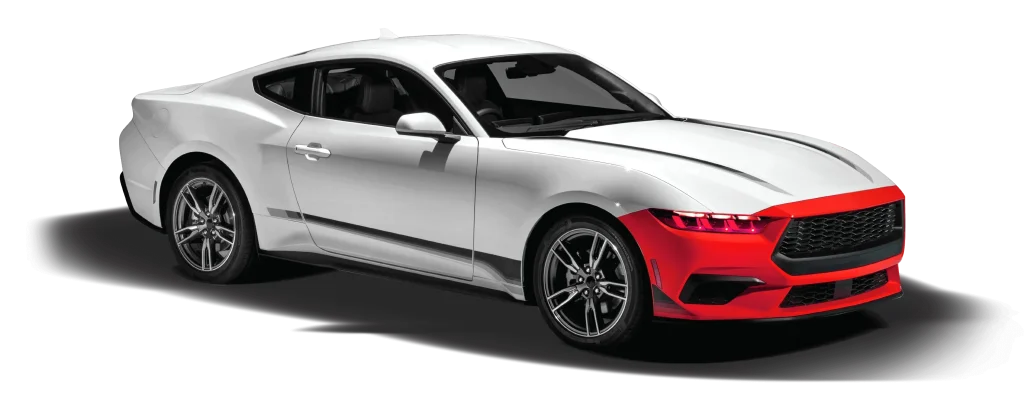
BUMPER & HEADLIGHT
Our BUMPER & HEADLIGHTS package provides targeted protection for the most vulnerable areas of your vehicle. Safeguard your bumper and headlights against chips, scratches, and road debris with a durable, high-performance barrier.
- Front Bumper
- Headlights
- Fog Lights
- PPF Package
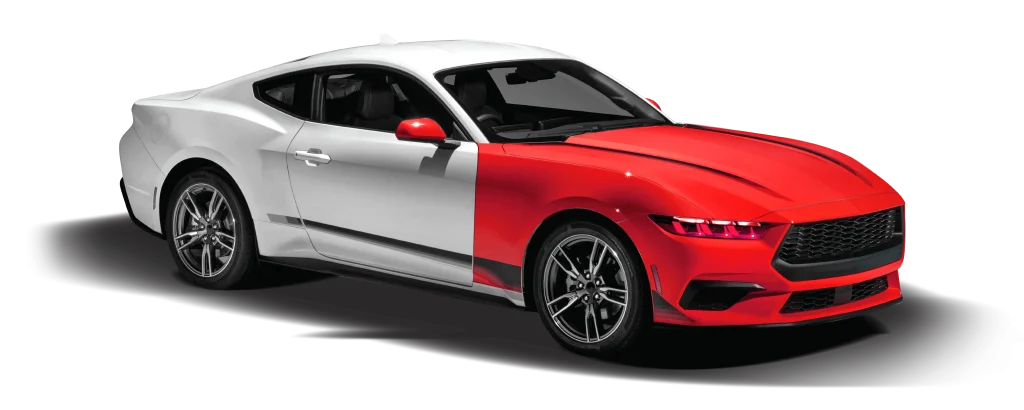
Full Front
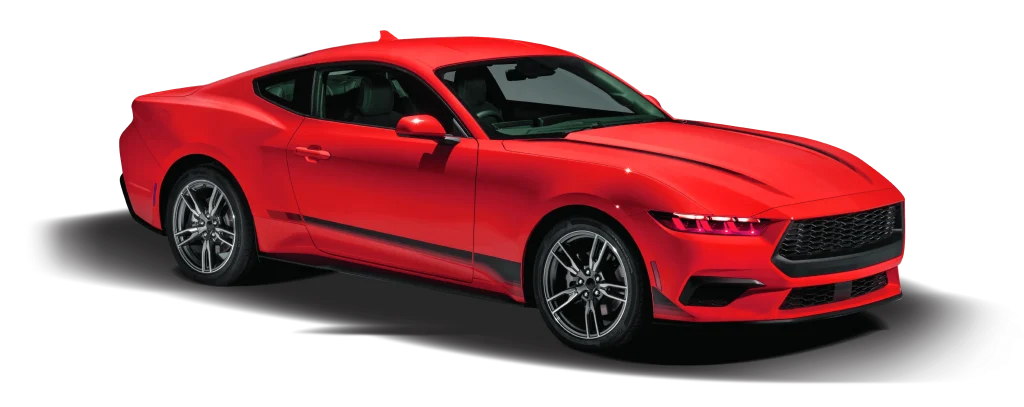
Our Full Front PPF Package wraps every vulnerable surface on your car’s front end with precision-fit protection. With flawless edge wrapping and an invisible finish, this package is ideal for those seeking complete peace of mind.
- Front Bumper
- Full Hood
- Full Fender
- Headlights
- Fog Lights
- Side Mirrors
- PPF Package
Full BODY
Our PPF Package offers a seamless, full-body defense that blends invisibly with your vehicle’s finish. This is the most extensive package, ensuring that every surface is safeguarded from daily wear, UV damage, and impact.
- Front Bumper
- Full Hood
- Full Front Fenders
- Headlights
- Mirror Backs
- A-Pillars
Key Differences Between Ceramic Coating and PPF
While both services protect your vehicle, their functions are very different.
Ceramic coating is primarily designed to improve gloss and make the vehicle easier to maintain. It helps repel water and contaminants while protecting the paint from UV exposure and oxidation.
Paint protection film, on the other hand, is designed to prevent physical damage. The film absorbs impacts from debris before they reach the paint surface.
In simple terms, ceramic coating protects against environmental damage, while PPF protects against physical damage.
| Ceramic Coating | Paint Protection Film | |
|---|---|---|
| What it stops | UV fade, oxidation, water spotting, chemical staining | Rock chips, road debris, scratches, bug etching |
| How it works | A liquid polymer bonds to the clear coat | A urethane film takes the impact before the paint does |
| Where it goes | The whole vehicle | High-impact panels: bumper, hood, fenders, mirrors |
| Appearance | Adds depth and gloss, makes the color pop | Virtually invisible, keeps the original finish |
| Washing | Water beads and runs off, so washing is much faster | Washes normally, and light scratches self-heal in the sun |
| How long it lasts | Several years, depending on the package | Roughly 5 to 10 years |
| Starting price | From $750 | Full front nose from $1,850 |
Pricing varies with the size and condition of the vehicle, so the figures above are starting points rather than a quote. We give you the real number after we look at the car.
When Ceramic Coating Is the Right Choice
Ceramic coating is ideal for vehicle owners who want long-term protection while maintaining a high-gloss finish.
It is especially beneficial if you:
– Want your vehicle to stay cleaner longer
– Wash your car regularly
– Park outdoors frequently
– Want protection against sun exposure
For many drivers, ceramic coating is the best solution for improving appearance while simplifying maintenance.
When Paint Protection Film Is the Better Option
Paint protection film is the best choice for Tampa drivers who want protection against rock chips and road debris.
PPF is commonly installed on areas that receive the most impact, such as the front bumper, hood, and mirrors.
Drivers who commute frequently on highways or drive long distances often benefit the most from paint protection film.
It’s important to understand that paint protection film and ceramic coating serve different purposes.
The Best Protection: Combining PPF and Ceramic Coating
Many vehicle owners choose to combine both services for maximum protection.
Paint protection film is typically installed on high-impact areas such as the front bumper and hood. Ceramic coating is then applied over the rest of the vehicle to enhance gloss and make cleaning easier.
This combination provides protection from both physical damage and environmental exposure.
Not sure which way to go? Bring the car by the shop in Palm Harbor and we will walk the panels with you. See our ceramic coating packages or compare paint protection film options.
Frequently Asked Questions
Yes. Many vehicle owners apply ceramic coating over paint protection film to improve hydrophobic performance and simplify maintenance.
Paint protection film typically lasts between 5 and 10 years, while ceramic coatings usually last several years depending on the product used.
Yes. Many vehicle owners install paint protection film shortly after purchasing a new vehicle to preserve the factory paint.
Not always, but combining both services provides the highest level of protection and appearance enhancement.