Complete Palm Harbor Guide to PPF
Paint Protection Film (PPF) has become one of the most effective ways to preserve a vehicle’s paint in Florida’s demanding climate. For drivers in Palm Harbor, FL, constant sun exposure, road debris, salt air, and daily driving conditions can quickly damage unprotected paint.
In this guide, we’ll explain what Paint Protection Film is, why it’s especially valuable in Palm Harbor, how it compares to ceramic coating, and whether it’s worth the investment for your vehicle.
What Is Paint Protection Film (PPF)?
Paint Protection Film is a clear, durable urethane film applied to high-impact areas of a vehicle. It acts as a physical barrier between your paint and external damage such as:
- Rock Chips
- Road Debris
- Bug Splatter
- Minor abrasions
- UV exposure
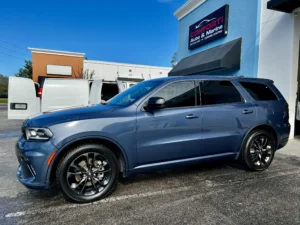

Why PPF Makes Sense For Palm Harbor Drivers
- Strong UV rays year-round can fade paint and clear coat
- Coastal air increases oxidation risk
- Busy roadways increase rock chip damage
- Outdoor parking exposes paint to contaminants
PPF provides physical protection that waxes and sealants simply can’t match. For Palm Harbor drivers who care about long-term appearance and resale value, PPF is one of the most effective solutions available.
Paint Protection Film vs Ceramic Coating in Florida
While both PPF and ceramic coating protect your vehicle, they serve different purposes.
PPF
- Protects against rock chips and impact damage
- Best for front bumpers, hoods, mirrors, and high-impact areas
- Self-healing properties reduce visible scratches
Ceramic Coating
- Enhances gloss and hydrophobic properties
- Protects against UV damage and contaminants
- Does not stop rock chips
Is Paint Protection Film Worth the Cost?
- Prevents costly repainting
- Preserves factory paint
- Maintains vehicle value
- Reduces long-term maintenance
Vehicles frequently driven on Florida highways or parked outdoors benefit the most from paint protection film. Would you like additional information? We break down the different Benefits of Paint Protection Film for you! Don’t just take our word for it, according to forbes.com, vehicles with high-quality PPF age slower, retaining value longer —especially in sunny, coastal climates like ours in Pinellas County.
What Areas Should Be Protected With PPF?
Common PPF coverage options include:
- Full front bumper
- Partial or full hood
- Fenders
- Mirrors
- Rocker panels
- Full vehicle coverage (for maximum protection)
Choosing a Professional PPF Installer in Palm Harbor
Proper installation is critical for PPF performance and longevity. A professional installer ensures:
- Seamless edges
- No trapped debris
- Long-lasting adhesion
- Clean, invisible results
Final Thoughts: PPF for Palm Harbor Vehicles
Frequently Asked Questions
Yes, paint protection film is worth it in Palm Harbor due to Florida’s intense sun, coastal air, and road debris. PPF provides physical protection against rock chips, scratches, and UV damage that traditional waxes or sealants cannot stop. For drivers who want to preserve their paint long-term, PPF is a smart investment.
High-quality paint protection film can last 5–10 years in Florida when professionally installed and properly maintained. Palm Harbor’s heat and humidity make professional installation especially important to ensure proper adhesion and longevity.
Yes. Paint protection film helps protect vehicle paint from oxidation and corrosion caused by salt air, which is common in Palm Harbor and surrounding coastal areas. While PPF doesn’t make a vehicle immune to environmental exposure, it significantly reduces paint damage when compared to unprotected surfaces.
PPF and ceramic coating serve different purposes. PPF offers impact protection against rock chips and debris, while ceramic coating enhances gloss and chemical resistance. Many Palm Harbor drivers choose PPF for high-impact areas and ceramic coating for added protection and easier maintenance.
The most common areas for paint protection film in Palm Harbor include the front bumper, hood, fenders, mirrors, rocker panels, and high-impact zones. These areas are most exposed to road debris and environmental damage from daily driving in Florida.