A buyer's guide to PPF Pricing in Tampa Bay
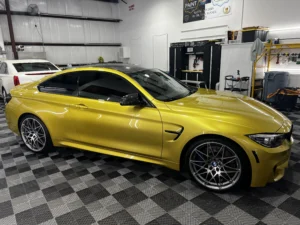
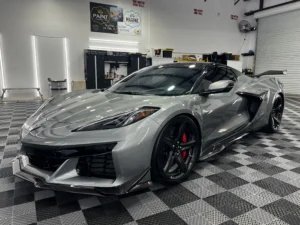
If you’ve recently purchased a new vehicle or want to preserve the appearance of your current one, you may be considering paint protection film. Many drivers throughout Tampa Bay, including Clearwater, Oldsmar, Odessa, and Tarpon Springs, choose PPF because it helps protect their vehicles from rock chips, scratches, and everyday road debris.
One of the most common questions we hear from customers is: how much does paint protection film cost?
The answer depends on several factors, including the coverage area, vehicle type, and the quality of film used. Understanding these factors can help you determine the right protection package for your vehicle and your driving habits.
What Is Paint Protection Film?
Paint protection film, often called PPF or clear bra, is a transparent urethane film that is professionally installed over painted surfaces of a vehicle. Once applied, it acts as a protective barrier that absorbs impacts from small rocks, debris, and other hazards that commonly damage vehicle paint.
Modern paint protection films are designed to be nearly invisible once installed. High-quality films like STEK PPF also feature advanced technology such as self-healing properties, which allow minor scratches and swirl marks to disappear when exposed to heat.
For drivers in Florida, paint protection film is especially valuable because vehicles are constantly exposed to intense sunlight, environmental contaminants, and frequent highway driving conditions that can quickly damage paint. Curious what makes a good film vs a bad one? We’ve wrote about that too!

Why Tampa Bay Drivers Choose PPF
Driving conditions throughout the Tampa Bay area make paint protection film particularly beneficial. Many drivers commute daily across busy highways or through rapidly growing areas where construction debris and loose gravel are common. Even small debris kicked up by other vehicles can cause paint chips that are difficult and expensive to repair.
In addition to road hazards, Florida’s climate also plays a role. Constant UV exposure can gradually cause paint oxidation and fading, particularly on vehicles that are parked outdoors. While PPF is primarily designed to prevent impact damage, it also provides an extra layer of protection against environmental exposure.
Because of these conditions, many Tampa Bay vehicle owners install PPF shortly after purchasing a new vehicle to preserve the factory paint for as long as possible.
3M Paint Protection Film
3M is one of the original innovators in the clear bra industry. Their film offers solid protection, decent clarity, and reliable warranty coverage. It’s widely available and recognized.
However, while 3M provides dependable protection, many modern installers and high-end shops now lean toward newer-generation films that offer enhanced gloss, hydrophobic properties, and better stain resistance.
3M remains a strong option — but it is no longer considered the most advanced film on the market.
Common Paint Protection Film Packages
- PPF Package
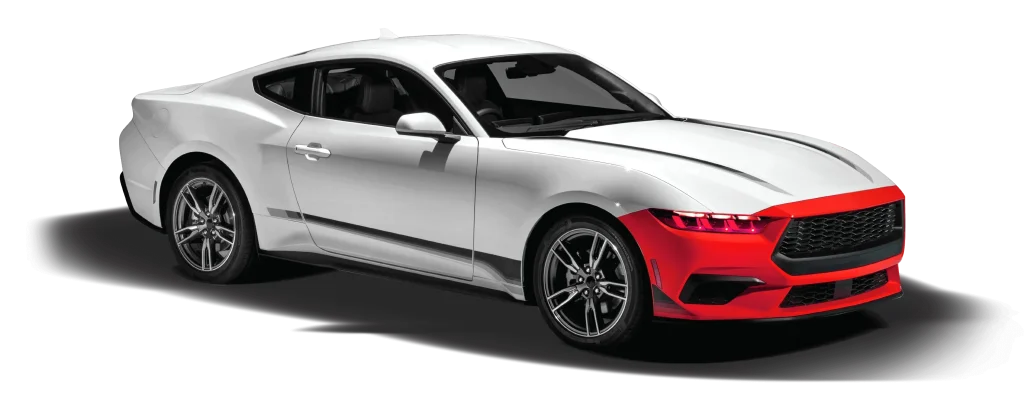
BUMPER & HEADLIGHT
Our BUMPER & HEADLIGHTS package provides targeted protection for the most vulnerable areas of your vehicle. Safeguard your bumper and headlights against chips, scratches, and road debris with a durable, high-performance barrier.
- Front Bumper
- Headlights
- Fog Lights
- PPF Package
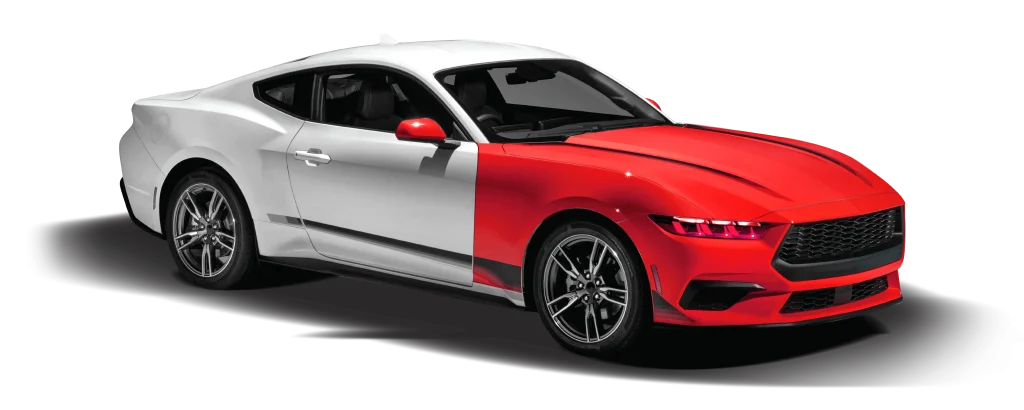
Full Front
Our Full Front PPF Package wraps every vulnerable surface on your car’s front end with precision-fit protection. With flawless edge wrapping and an invisible finish, this package is ideal for those seeking complete peace of mind.
- Front Bumper
- Full Hood
- Full Fender
- Headlights
- Fog Lights
- Side Mirrors
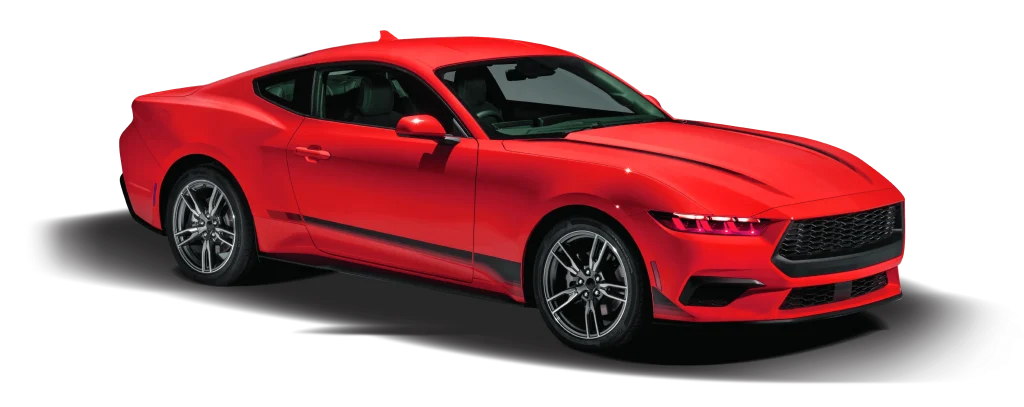
- PPF Package
Full BODY
Our PPF Package offers a seamless, full-body defense that blends invisibly with your vehicle’s finish. This is the most extensive package, ensuring that every surface is safeguarded from daily wear, UV damage, and impact.
- Front Bumper
- Full Hood
- Full Front Fenders
- Headlights
- Mirror Backs
- A-Pillars
When discussing PPF pricing, the most important factor is the amount of coverage installed on the vehicle. Most installations fall into a few common package categories.
Partial front protection is typically the most affordable option. This package focuses on protecting the areas most likely to receive damage during everyday driving, such as the front bumper, part of the hood, and side mirrors. It provides a basic level of protection while keeping installation costs relatively low.
Full front protection is one of the most popular options among vehicle owners. This package covers the entire hood, front bumper, front fenders, and mirrors. Since these are the areas that receive the majority of rock chips and road debris, full front coverage offers excellent protection while maintaining the original appearance of the vehicle.
Some drivers choose extended packages that include rocker panels, A-pillars, or other high-impact areas. These packages are especially common for drivers who spend a lot of time on highways or who own performance vehicles.
Full vehicle paint protection film offers the highest level of protection. In this case, the entire vehicle is wrapped in clear film, ensuring that every painted surface is protected from chips, scratches, and environmental damage. This option is often chosen by owners of luxury, exotic, or new vehicles who want to preserve the factory finish long term.
Factors That Affect PPF Pricing
Several factors influence the final cost of paint protection film installation.
Vehicle size is one of the biggest variables. Larger vehicles such as trucks and SUVs require more film material and installation time than smaller cars.
The complexity of the vehicle’s design can also affect installation time. Vehicles with aggressive curves, vents, or intricate body panels often require more detailed installation work.
Film quality is another important factor. Premium films like STEK offer superior clarity, durability, and stain resistance compared to lower-quality alternatives. While higher-end films may cost more initially, they often provide better long-term performance.
Finally, installation experience plays a significant role in overall results. Professional installers spend significant time preparing the vehicle’s surface before applying film to ensure proper adhesion and a seamless appearance.
Is Paint Protection Film Worth the Investment?
For many Tampa Bay drivers, paint protection film is absolutely worth the investment. Even a single repaint for a chipped bumper or hood can cost hundreds or thousands of dollars. PPF helps prevent those repairs by absorbing the impact before it reaches the paint.
In addition to preventing damage, PPF also helps maintain the resale value of your vehicle. Vehicles with well-preserved original paint often hold their value better than those with visible chips or repaint work.
Many vehicle owners choose to install PPF shortly after purchasing a new car to protect the factory finish from the beginning. Tampa Bay car owners who protect their vehicle with PPF typically invest in premium window tint as well.
PPF vs Ceramic Coating
It’s important to understand that paint protection film and ceramic coating serve different purposes.
Paint protection film is designed to protect against physical damage, such as rock chips and scratches. Ceramic coating, on the other hand, enhances gloss and provides hydrophobic properties that help repel water and contaminants.
Many vehicle owners combine both services. Paint protection film is installed on high-impact areas, while ceramic coating is applied over the vehicle to enhance shine and make maintenance easier.
Need a more in depth breakdown? We’ve got you covered, check out our full write-up: “Ceramic Coating vs PPF in Tampa“
Frequently Asked Questions
High-quality paint protection film typically lasts between 5 and 10 years depending on driving conditions and maintenance.
Modern paint protection film is designed to be nearly invisible once installed. Premium films maintain high clarity and preserve the original appearance of the vehicle.
Yes. Paint protection film can be installed on both new and used vehicles. In some cases, paint correction may be recommended before installation.
Yes. PPF can be safely removed by professionals without damaging the original paint.